Blog

  • Is Herpes Really a Deal Breaker in Love and Dating?

    When it comes to Dating and Relationships, many people carry a silent fear: what happens if my partner has herpes? For some, herpes immediately feels like a deal breaker. For others, it’s just another challenge that can be managed with honesty, communication, and protection. But the reality is far more complex than black-and-white thinking.

    The stigma around herpes in dating often comes from misinformation. Despite being one of the most common sexually transmitted infections (STIs) in the world, herpes is still surrounded by myths that paint it as something shameful. In reality, millions of people live with herpes and still find love, get married, and have fulfilling sex lives. The question is not whether herpes makes someone unlovable—it’s whether society is ready to humanize this condition and understand that it’s not the end of romance or intimacy.

    Understanding Herpes: More Common Than You Think

    Before asking whether herpes is a deal breaker in love, it’s important to understand what herpes really is. Herpes is caused by two viruses: HSV-1, which often appears as cold sores, and HSV-2, which is more commonly associated with genital herpes. Both can be transmitted through skin-to-skin contact.

    The truth is that herpes is incredibly widespread. According to the World Health Organization, more than 3.7 billion people under 50 have HSV-1, and over 491 million have HSV-2. This means chances are high that someone you know—or even you yourself—has herpes, knowingly or unknowingly. If so many people live with the virus, why do we still treat it as something that ruins dating and love?

    The Stigma of Herpes in Dating Culture

    The idea that herpes is a deal breaker in love often stems not from the virus itself, but from the stigma attached to it. Society often portrays STIs as a sign of promiscuity, irresponsibility, or uncleanliness. These stereotypes are not only unfair but also inaccurate.

    This stigma creates fear and shame for people with herpes. Many avoid dating altogether or struggle with anxiety around disclosure. But the stigma is often worse than the condition itself—physically, herpes is usually manageable with treatment and lifestyle adjustments. Emotionally, however, the shame can make dating feel like an uphill battle.

    Is Herpes a Deal Breaker in Love? Breaking Down the Question

    For some people, herpes may feel like a deal breaker, at least at first. They worry about transmission, about explaining it to family and friends, or about how it might affect intimacy. These are valid concerns—but they are not insurmountable.

    Many couples find that once they educate themselves, the fear lessens. With open communication, medication, and protection, herpes can be managed safely in a relationship. The question becomes less about “Is herpes a deal breaker?” and more about “Am I willing to see my partner as more than a diagnosis?”

    Dating with Herpes: Stories of Real People

    Countless individuals living with herpes have found love, often stronger and more honest than they imagined. Many report that once they disclosed their status, their partners were far more understanding than expected. These stories remind us that herpes does not erase someone’s worth or their ability to build a loving relationship.

    In fact, some people say that herpes disclosure brought them closer to their partners. By being honest and vulnerable, they built a foundation of trust early on. What initially seemed like a barrier became a way to strengthen intimacy.

    The Role of Education in Reducing Fear

    One of the biggest reasons people consider herpes a deal breaker is lack of knowledge. Many still believe myths such as: herpes is rare, it’s always visible, or it makes sex impossible. None of these are true.

    When people learn the facts—that herpes is common, often symptomless, and manageable—their fear decreases. Education empowers couples to make informed decisions about intimacy. Informed partners are less likely to walk away just because of a label.

    Herpes and Emotional Resilience in Relationships

    A diagnosis of herpes can feel like an emotional blow at first. Many people experience sadness, fear, or even depression. But over time, those who embrace acceptance often grow emotionally stronger. This resilience can actually enhance future relationships.

    When dating, someone who has faced the challenge of herpes often values honesty, empathy, and emotional maturity. These qualities can make them deeply committed partners—qualities that are far more important for long-term love than the presence of a virus.

    The Disclosure Conversation: A Crucial Step

    Perhaps the most intimidating part of dating with herpes is disclosure. Telling a potential partner about herpes requires courage. The fear of rejection is real, and some people will indeed walk away.

    But here’s the truth: disclosure filters out people who are not ready for honesty or compassion. If someone rejects you solely because of herpes, they may not have been the right person for a long-term relationship anyway. The right partner will see herpes as a part of your life, not the whole story.

    Protection and Medical Management: Keeping Love Safe

    Herpes does not mean the end of a healthy sex life. Antiviral medications, condoms, and open communication about outbreaks greatly reduce the risk of transmission. In fact, couples who take these precautions often enjoy fulfilling intimacy without significant issues.

    Knowing that herpes is manageable can ease anxieties for both partners. With clear communication and mutual care, couples can maintain both physical health and emotional closeness.

    Online Dating and Herpes-Friendly Communities

    In the modern dating world, online platforms have created safe spaces for people with herpes to connect. Dating sites and apps specifically designed for people with STIs, like PositiveSingles or MPWH, help individuals find love without fear of stigma.

    These communities allow people to date openly, without the constant anxiety of disclosure. For many, they serve as proof that herpes is not a deal breaker—because thousands of singles are actively looking for love with the same experience.

    Herpes Should Not Define Someone’s Worth

    At its core, the question “Is herpes really a deal breaker in love and dating?” comes down to self-worth. No one deserves to feel unworthy of love because of a medical condition. Herpes is a virus, not a reflection of someone’s character, morality, or desirability.

    When society humanizes herpes and removes the stigma, it becomes clear: herpes is only as big of a barrier as people make it. With compassion and knowledge, it becomes just one part of a person’s health, not a sentence that defines their love life.

    The Psychology of Deal Breakers in Dating

    Everyone has deal breakers when it comes to dating—whether it’s smoking, financial habits, or lifestyle choices. But herpes is often treated as more absolute than it should be. The reality is that deal breakers are personal, not universal.

    When someone declares herpes an automatic deal breaker, it often reflects fear rather than logic. Once they learn the facts or meet someone they truly connect with, those boundaries often shift. This shows that love is more powerful than initial hesitation.

    Herpes in Long-Term Relationships and Marriage

    Many people with herpes are married or in long-term committed relationships. Over time, herpes becomes just one small aspect of their lives together. Couples focus on raising families, building careers, and enjoying intimacy—herpes rarely remains the central focus.

    This proves that herpes is not the end of the road in love. If anything, it challenges couples to build deeper trust, communication, and acceptance—foundations of any lasting relationship.

    Herpes and Self-Love: The First Step to Healthy Dating

    Perhaps the most important lesson for singles with herpes is self-love. Before expecting acceptance from others, it’s essential to accept yourself. Recognizing that herpes does not define you builds confidence, which makes dating easier and more fulfilling.

    Self-love shifts the question from “Will anyone love me if I have herpes?” to “Who deserves to share my love and my truth?” This mindset attracts healthier relationships, where herpes is just a small detail rather than a major obstacle.

    Herpes Matters in Modern Dating

    We live in an era where conversations about mental health, body positivity, and inclusivity are becoming more mainstream. Yet sexual health stigma, especially around herpes, remains strong. Breaking that stigma requires humanizing the condition—seeing the person before the diagnosis.

    When we normalize conversations about herpes, we create a dating culture rooted in empathy. This not only benefits people with herpes but also makes dating healthier for everyone by promoting openness and compassion.

    Conclusion: Is Herpes Really a Deal Breaker?

    So, is herpes really a deal breaker in Love And Dating? The answer is both yes and no—yes for those unwilling to learn or empathize, and no for those who understand that love is more than a medical condition.

    Herpes may add an extra layer of conversation to dating, but it does not erase someone’s capacity to love or be loved. With education, protection, honesty, and self-acceptance, herpes becomes just one aspect of life—not a wall that blocks romance.

    At the end of the day, real love is built on compassion, trust, and connection. Herpes may test those qualities, but it certainly doesn’t destroy them. For many couples, it becomes clear that herpes is not a deal breaker at all—it’s just another part of being human in the journey of love and dating.

    Source link

  • The REAL Reason Women Are (Quickly) Losing Men

    The REAL Reason Women Are (Quickly) Losing Men


    Men are pulling back from dating, from relationships, from connection, and no one is asking why. Professor and relationship …

    source

  • Top Tips for Planning Your First Solo Trip

    Top Tips for Planning Your First Solo Trip

    I’m going to change your mind about solo travel.

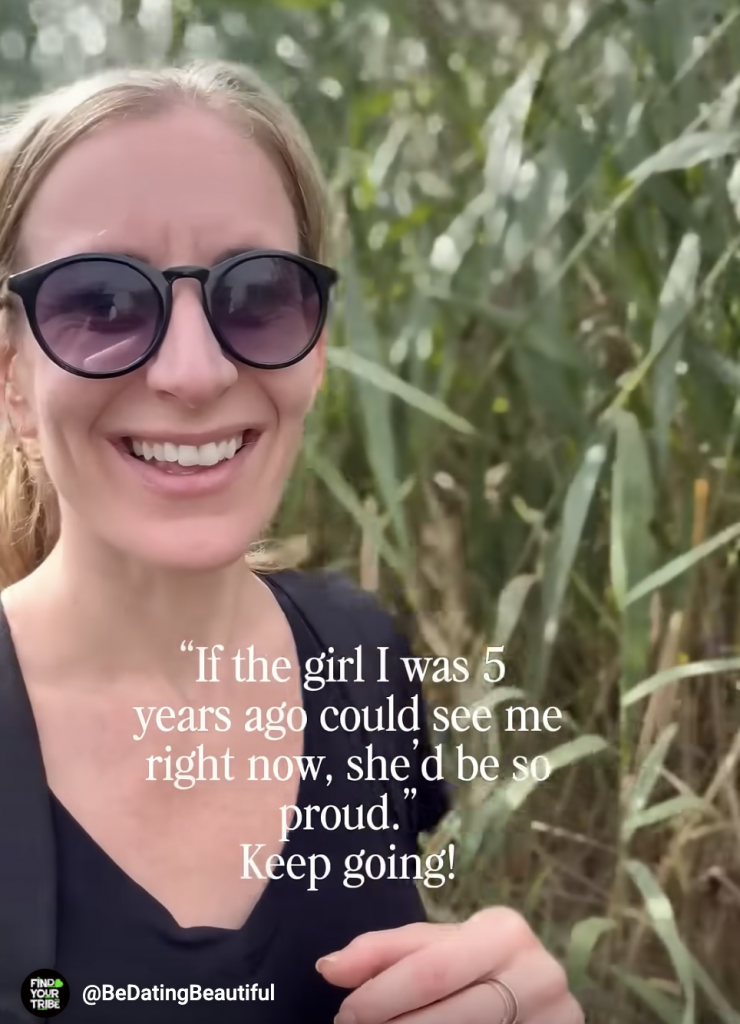
    Five years ago, I couldn’t imagine stepping on a plane alone. Newly divorced, I wanted to see the world but was trapped by fear. Fear of eating alone, fear of feeling awkward, fear of not being safe. But waiting for the “right person” to travel with wasn’t getting me anywhere.

    So, I made myself the right person. With help from a therapist, I learned to enjoy my own company, trained myself up with solo coffees and hikes, and eventually booked my first weekend solo trip, then the ultimate adventure to Costa Rica, just me and my backpack!

    Now, after many trips (including my recent solo weekend in Wales), I can tell you this: solo travel isn’t scary when you plan it well. It’s empowering, life-changing, and addictive.

    This blog is my no-BS guide to planning your first solo trip, so you can skip the panic spiral and get straight to the good bit: freedom, adventure, and memories that are 100% yours.

    People often tell me, “I admire you; I could never solo travel.”

    I want you to know, the me of five years ago would’ve said exactly the same. And yet here I am. Thinking back on how far I’ve come is why I’m sharing this… because you can do it too. Keep going!

    I guess the first question to ask yourself is, ‘How comfortable are you in your own company?’. If you have very little experience with taking yourself out, take a read of my blog “From Silence to Self Love…” where I talk about the beginning of my single journey…. How I started with solo walks, lunches, and the ideal solo date. Over time the “me time” that felt so alien, felt safe, and I started to feel less anxiety and more enjoyment.

    My first solo trip was everything I wanted: outdoors, space, reflection, group meetups. It gave me a checklist of what I use today when I plan each and every trip.

    But this is YOUR journey and only you know what YOU need.

    Are you planning your first solo trip? Here are my top tips from learnings gathered from my own travels. So, if you’re ready to go from dreaming about it to actually booking it, here’s exactly how to plan your first solo trip step by step.

    Don’t try to conquer the world on your first outing. I began with weekend hikes and activity breaks. This built up my trust in myself. If I’d jumped straight into backpacking through hostels or long flights, anxiety would’ve overwhelmed me. Trust me, many on socials do the same…they go big before they feel ready, then end up hating parts of their trip. Start with something manageable and build yourself up.

    What does your ideal trip look like? Picture it now. Maybe it’s a mountain hike + country pub, or a relaxing stay with yoga. Research places within a couple of hours from you. Write down 3-5 things you’d love from your trip and set yourself a budget that is realistic.

    For me, meeting people is huge. So I choose locations based on things I want to do…Surfing, coasteering, hiking? What are you into? Jot down your ideal activities, research options, then find accommodation nearby. Airbnb is always a winner for me, not only is it usually cheaper, but staying with locals gives you insights into hidden gems: where to eat and what to see. But always check reviews: safety and comfort are important!

    Solo doesn’t have to mean being isolated. Use sites like Meetup, GetYourGuide or walking groups like Ramblers. They bring people together around passion. Even joining one group hike, a workshop, or cooking class will give you human connection and boost your confidence.

    You don’t have to be on the go-go-go. A morning wandering, sitting with a journal or enjoying an early morning coffee… These are not fillers, they are essential. Tips: Download offline maps in case WiFi fails. Be gentle with yourself; solo travel can be emotionally intense.

    Find food that nourishes your heart and your body. If eating alone in public makes you anxious, bring something to occupy you. I’ve had many evenings lost in a really good book or struck up conversation with strangers who became friends. A few conversation starters helps: “I’m just visiting for the weekend. What’s one place I can’t miss here?” is a great opener!

    Because when fear shows up, you’ll want tools beyond tips:

    • Acknowledge your anxiety: naming it (“this is my travel fear”) helps you see it as temporary.
    • Relaxation & mindfulness: breathing exercises, grounding or meditation. Even 5-minutes a day.
    • Organise in advance: lists, packing + book big things early. The more you do beforehand, the less the “what-ifs” will haunt you.
    • Focus on positives: make a list of what you’re looking forward to, not all the things that could go wrong. Reframe fear as excitement.

    If you’re feeling anxious about solo travel, you’re not alone. According to Solo Female Travelers club, 70% of respondents worry about safety when traveling solo. But that worry does go down the more you travel solo. Safety concerns are real, but many simple precautions go a long way. Gov Uk write about the importance of trusted reviews, planning, staying alert and sharing your location.

    Over the past two years, solo travel bookings surged by 42%, driven by single-room-friendly options. Among motivations are freedom and flexibility. Many say they travel solo to see the world without compromise, to grow confidence, to follow their own pace.

    Interestingly, Women dominate solo travel, making up approximately 84% of solo travellers globally, compared to just 16% men, according to Condos Ferris.

    Question Answer / Tip
    Is it safe to travel solo? No guarantees in life, but yes, you can travel solo safely. Use trusted accommodation, avoid risky areas, share your plan, trust your gut. Every time I travelled, I learned more about staying safe rather than letting fear stop me.
    What about loneliness? It happens. But solitude + being alone are different. You can be alone but not lonely. Group activities, talking to locals, relaxing in cafés, journaling, it all helps. And often, it’s in quiet moments I’ve found peace, clarity, even joy.
    How much budget does this need? Varies. Short local breaks will cost less. Big trips naturally more. But planning, researching, staying in mid-budget accommodation, sharing spaces, choosing off-peak times can stretch your money.
    What if I hate it? That’s okay! Not every trip will be perfect. Sometimes discomfort = growth. If a solo trip doesn’t feel right in one place, change plans. You don’t owe anyone anything. If you hate it, you’ll learn something, and it’ll only help with next time.

    If I were to speak directly to that girl I was five years ago, I’d say this: You are braver than you believe, stronger than your fears, and more deserving of your own company than you’ll ever know.

    Solo travel doesn’t mean giving up others; it means giving yourself permission. Permission to explore. Permission to heal. And permission to find out what you actually love.

    So start small. Plan carefully. Listen to your heart. And let your first solo trip be the beginning of many more, each one teaching you something new.

    You’ve totally got this! Book that first coffee, hike, or weekend away today. Your future self will thank you, I promise! The hardest part is hitting ‘book.’ The rest will unfold as it should and you’ll come home a little braver, a little lighter, and already planning the next trip.


    Source link

  • Truancy Prevention

    August is National Truancy Prevention Month. The definition of truancy is missing more than 15 days of school with unexcused absences, meaning the reason they didn’t attend wasn’t a reason recognized by the educational system. In the United States, 20 percent of high school students are considered truant.

    Why does truancy happen?

    There are many reasons a child may not attend school. Most people assume students don’t attend school because they hate it. This may be true, but what else could be happening? Many children live in circumstances that don’t support education and are considered at-risk. They may need to get a job to help support the family or stay home to care for younger siblings. They may be truant because they have a sick or injured parent, particularly when domestic violence is the norm in their home. Or they may not have a home. When a child lives on the street, in a car, a shelter or is couch surfing, it can be difficult to get to school. When they do come to school, they are often bullied because of the clothes they wear or their poor hygiene. Even when a child isn’t bullied, they may be so self-conscious of their condition, they don’t want other students to guess what’s happening in their life. It’s also possible, and perhaps even likely, that chronically abused students may not be permitted to go to school. Parents know that if their child’s injuries are reported to school officials, then it’s likely that someone from child protective services will be visiting them and they don’t want that to happen. When a child is being sexually abused, it may be too painful for them to sit in a wooden chair all day.

    What can you do?

    If you have students not attending for any of the above reasons, it’s unlikely you will be able to impact that students’ home life. However, you can make their experience at school a nice contrast. When a child lives in a deprived environment and you can make your classroom need-satisfying, they will at least try to get to school as often as they can.

    And of course, it’s possible that a child really doesn’t like school, but why would that be the case? It’s important to look at the need that’s being met by their problematic behavior. If truancy is the behavior, then what might a child be trying to avoid by not coming to school? There are six basic reasons.

    The student:

    1. Doesn’t feel safe in school.
    2. Doesn’t feel connected to anyone at school, students or adults.
    3. Doesn’t feel competent in their subjects.
    4. Is bored with the learning.
    5. Is frustrated with the rules and consequences they experience.
    6. Complains that school is no fun.

    There are three things you, an employee of the educational system, can do to increase the likelihood a disengaged student will reengage, at least in your class. You can build relationships with all your students, whether or not you’re a teacher. Focus particularly on the ones who are often in trouble and the ones who seem to quietly fall between the cracks and walk like a shadow through the school halls. It’s easy to like the kids who are doing well in school. It’s much more challenging to like truant kids, particularly if you take their absences personally. I remember, in my high school, one person who was excellent at this was the school custodian. He was friendly with everyone and, consequently, no one ever gave him a hard time.

    And if you are an educator, you can become the best educator you can possibly be by educating yourself about how to make learning fun and tie what you are teaching to something relevant in the lives of your students.

    When you have a student who is violating school rules, prior to sending them out of the classroom for administrative discipline, consider the need underlying the behavior. Everyone, including children, have five basic needs. No matter what the behavior is, pleasant or disruptive, there will be one or more needs motivating it.

    The needs are Safety & Security, Connection, Significance, Freedom and Joy. You may not know exactly what the need is, but you can make an educated guess. Then, see if you can help that student get that need met in a way that doesn’t interfere with you and other students meeting theirs. If it doesn’t work, try another need. These are the concepts that are taught in Glasser Quality Schools. Teachers, students and administrators alike enjoy being in school when it’s run with Choice Theory™ psychology.

    If you don’t think your school is interested in becoming a Glasser Quality School, you can take control of what you control—your classroom—and become a Glasser Quality School Teacher. Check out the Basic Intensive Choice Theory training here.

    The post Truancy Prevention appeared first on The Relationship Center.

    Source link

  • Blind Dating 3 Guys By Raiding Their Rooms

    Blind Dating 3 Guys By Raiding Their Rooms


    Be in our next video! (LOS ANGELES, MIAMI): https://airtable.com/appMZYmlVFyiUymV0/pag3pyMbHFETimWu6/form Cast: Elke: …

    source

  • Adventuresaurus Girl Dating and Relationship Blog: Thanksgiving

    Thanksgiving is this Thursday and I’m sure we all have things we should be grateful for; we just need to realize what.

    So, even if nothing comes of it, I’m grateful for the guy I run into coming into my life.  I thought I was very over Ex Guy, but he was still able to annoy me by contacting me.  Although my annoyance was at a very low level, it was still present.  I think that’s a sure sign that I wasn’t as over Ex Guy as I thought I was.

    After a variety of things like a long vacation and meeting two guys I have chemistry with (including the guy I ran into), I can honestly say I’m 100% over the Ex Guy. Going on a few dates with this one showed me just how over the Ex Guy I am.  The Ex Guy could show up on my doorstep, and I’d just close the door without any positive or negative feeling.  He’s been made completely irrelevant.  And, that took way too long.  Had I met some guys I found interesting sooner, I think I would have been 100% done with the Ex Guy sooner.

    I’ve heard that people come into your life at a specific time, for a specific reason.  I believe it.

    Source link

  • 100 Dating Tips

    [fusion_builder_container type=”flex” hundred_percent=”no” hundred_percent_height=”no” min_height_medium=”” min_height_small=”” min_height=”” hundred_percent_height_scroll=”no” align_content=”stretch” flex_align_items=”flex-start” flex_justify_content=”flex-start” flex_wrap_medium=”” flex_wrap_small=”” flex_wrap=”wrap” flex_column_spacing=”” hundred_percent_height_center_content=”yes” equal_height_columns=”no” container_tag=”div” menu_anchor=”” hide_on_mobile=”small-visibility,medium-visibility,large-visibility” status=”published” publish_date=”” class=”” id=”” spacing_medium=”” margin_top_medium=”” margin_bottom_medium=”” spacing_small=”” margin_top_small=”” margin_bottom_small=”” margin_top=”” margin_bottom=”” padding_dimensions_medium=”” padding_top_medium=”” padding_right_medium=”” padding_bottom_medium=”” padding_left_medium=”” padding_dimensions_small=”” padding_top_small=”” padding_right_small=”” padding_bottom_small=”” padding_left_small=”” padding_top=”” padding_right=”” padding_bottom=”” padding_left=”” link_hover_color=”” link_color=”” border_sizes=”” border_sizes_top=”” border_sizes_right=”” border_sizes_bottom=”” border_sizes_left=”” border_color=”” border_style=”solid” border_radius_top_left=”” border_radius_top_right=”” border_radius_bottom_right=”” border_radius_bottom_left=”” box_shadow=”no” box_shadow_vertical=”” box_shadow_horizontal=”” box_shadow_blur=”0″ box_shadow_spread=”0″ box_shadow_color=”” box_shadow_style=”” z_index=”” overflow=”” background_color_medium=”” background_color_small=”” background_color=”” gradient_start_color=”” gradient_end_color=”” gradient_start_position=”0″ gradient_end_position=”100″ gradient_type=”linear” radial_direction=”center center” linear_angle=”180″ background_image_medium=”” background_image_small=”” background_image=”” skip_lazy_load=”” background_position_medium=”” background_position_small=”” background_position=”center center” background_repeat_medium=”” background_repeat_small=”” background_repeat=”no-repeat” background_size_medium=”” background_size_small=”” background_size=”” background_custom_size=”” background_custom_size_medium=”” background_custom_size_small=”” fade=”no” background_parallax=”none” enable_mobile=”no” parallax_speed=”0.3″ background_blend_mode_medium=”” background_blend_mode_small=”” background_blend_mode=”none” background_slider_images=”” background_slider_position=”” background_slider_skip_lazy_loading=”no” background_slider_loop=”yes” background_slider_pause_on_hover=”no” background_slider_slideshow_speed=”5000″ background_slider_animation=”fade” background_slider_direction=”up” background_slider_animation_speed=”800″ background_slider_blend_mode=”” video_mp4=”” video_webm=”” video_ogv=”” video_url=”” video_aspect_ratio=”16:9″ video_loop=”yes” video_mute=”yes” video_preview_image=”” pattern_bg=”none” pattern_custom_bg=”” pattern_bg_color=”” pattern_bg_style=”default” pattern_bg_opacity=”100″ pattern_bg_size=”” pattern_bg_blend_mode=”normal” mask_bg=”none” mask_custom_bg=”” mask_bg_color=”” mask_bg_accent_color=”” mask_bg_style=”default” mask_bg_opacity=”100″ mask_bg_transform=”left” mask_bg_blend_mode=”normal” render_logics=”” logics=”” absolute=”off” absolute_devices=”small,medium,large” sticky=”off” sticky_devices=”small-visibility,medium-visibility,large-visibility” sticky_background_color=”” sticky_height=”” sticky_offset=”” sticky_transition_offset=”0″ scroll_offset=”0″ animation_type=”” animation_direction=”left” animation_color=”” animation_speed=”0.3″ animation_delay=”0″ animation_offset=”” filter_hue=”0″ filter_saturation=”100″ filter_brightness=”100″ filter_contrast=”100″ filter_invert=”0″ filter_sepia=”0″ filter_opacity=”100″ filter_blur=”0″ filter_hue_hover=”0″ filter_saturation_hover=”100″ filter_brightness_hover=”100″ filter_contrast_hover=”100″ filter_invert_hover=”0″ filter_sepia_hover=”0″ filter_opacity_hover=”100″ filter_blur_hover=”0″][fusion_builder_row][fusion_builder_column type=”1_1″ layout=”1_1″ align_self=”auto” content_layout=”column” align_content=”flex-start” valign_content=”flex-start” content_wrap=”wrap” spacing=”” center_content=”no” column_tag=”div” link=”” target=”_self” link_description=”” min_height=”” hide_on_mobile=”small-visibility,medium-visibility,large-visibility” sticky_display=”normal,sticky” class=”” id=”” type_medium=”” type_small=”” flex_grow_medium=”” flex_grow_small=”” flex_grow=”” flex_shrink_medium=”” flex_shrink_small=”” flex_shrink=”” order_medium=”0″ order_small=”0″ dimension_spacing_medium=”” dimension_spacing_small=”” dimension_spacing=”” dimension_margin_medium=”” dimension_margin_small=”” margin_top=”” margin_bottom=”” padding_medium=”” padding_small=”” padding_top=”” padding_right=”” padding_bottom=”” padding_left=”” hover_type=”none” border_sizes=”” border_color_hover=”” border_color=”” border_style=”solid” border_radius=”” box_shadow=”no” dimension_box_shadow=”” box_shadow_blur=”0″ box_shadow_spread=”0″ box_shadow_color=”” box_shadow_style=”” z_index_hover=”” z_index=”” overflow=”” background_type=”single” background_color_medium=”” background_color_small=”” background_color_medium_hover=”” background_color_small_hover=”” background_color_hover=”” background_color=”” gradient_start_color=”” gradient_end_color=”” gradient_start_position=”0″ gradient_end_position=”100″ gradient_type=”linear” radial_direction=”center center” linear_angle=”180″ background_image_medium=”” background_image_small=”” background_image=”” background_image_id_medium=”” background_image_id_small=”” background_image_id=”” lazy_load=”avada” skip_lazy_load=”” background_position_medium=”” background_position_small=”” background_position=”left top” background_repeat_medium=”” background_repeat_small=”” background_repeat=”no-repeat” background_size_medium=”” background_size_small=”” background_size=”” background_custom_size=”” background_custom_size_medium=”” background_custom_size_small=”” background_blend_mode_medium=”” background_blend_mode_small=”” background_blend_mode=”none” background_slider_images=”” background_slider_position=”” background_slider_skip_lazy_loading=”no” background_slider_loop=”yes” background_slider_pause_on_hover=”no” background_slider_slideshow_speed=”5000″ background_slider_animation=”fade” background_slider_direction=”up” background_slider_animation_speed=”800″ background_slider_blend_mode=”” render_logics=”” sticky=”off” sticky_devices=”small-visibility,medium-visibility,large-visibility” sticky_offset=”” absolute=”off” absolute_props=”” filter_type=”regular” filter_hover_element=”self” filter_hue=”0″ filter_saturation=”100″ filter_brightness=”100″ filter_contrast=”100″ filter_invert=”0″ filter_sepia=”0″ filter_opacity=”100″ filter_blur=”0″ filter_hue_hover=”0″ filter_saturation_hover=”100″ filter_brightness_hover=”100″ filter_contrast_hover=”100″ filter_invert_hover=”0″ filter_sepia_hover=”0″ filter_opacity_hover=”100″ filter_blur_hover=”0″ transform_type=”regular” transform_hover_element=”self” transform_scale_x=”1″ transform_scale_y=”1″ transform_translate_x=”0″ transform_translate_y=”0″ transform_rotate=”0″ transform_skew_x=”0″ transform_skew_y=”0″ transform_scale_x_hover=”1″ transform_scale_y_hover=”1″ transform_translate_x_hover=”0″ transform_translate_y_hover=”0″ transform_rotate_hover=”0″ transform_skew_x_hover=”0″ transform_skew_y_hover=”0″ transform_origin=”” transition_duration=”300″ transition_easing=”ease” transition_custom_easing=”” motion_effects=”” scroll_motion_devices=”small-visibility,medium-visibility,large-visibility” animation_type=”” animation_direction=”left” animation_color=”” animation_speed=”0.3″ animation_delay=”0″ animation_offset=”” last=”true” border_position=”all” first=”true”][fusion_youtube id=”Tu No Vive Así” alignment=”center” width=”” height=”” start_time=”” end_time=”” autoplay=”false” mute=”false” loop=”false” controls=”true” api_params=”” title_attribute=”” video_facade=”” thumbnail_size=”auto” video_facade_no_cookie=”on” margin_top=”” margin_bottom=”” hide_on_mobile=”small-visibility,medium-visibility,large-visibility” class=”” css_id=”” structured_data=”off” video_upload_date=”” video_duration=”” video_title=”” video_desc=”” /][/fusion_builder_column][/fusion_builder_row][/fusion_builder_container]

  • After A year Of Dating Lori Harvey and Damson Idris Finally Breakup

    After A year Of Dating Lori Harvey and Damson Idris Finally Breakup


    Lori Harvey and Damson Idris were a high-profile couple whose relationship gained extensive media attention before their final …

    source

  • 11 ways anger management counselling can help

    11 ways anger management counselling can help

    Everything you need to know about counselling or therapy for anger issues

    Your search for anger management counselling or help may feel like a last resort.

    Perhaps you’ve lost your rag too many times, and you, and possibly people around you – have become concerned about your behaviour.

    You may have been told your behaviour is unacceptable or even abusive – at work, the sports club, the club or pub, or at home.

    Perhaps your partner or spouse has threatened to leave you unless you ‘sort yourself out’ and get help.

    Chances are you’ve heard any or all of these before:

    • “Don’t get so upset – it’s not worth it.”
    • “Calm down – you’re overreacting.”
    • “You’ve got a problem.”

    You’re here now because you realise you need help with your anger issues. You’re to be commended for taking action and hunting down where you can get anger management counselling.

    Be sure also to read my article about anger management tips.

    Let’s get your sorted.

    In this article about anger management help, you’ll discover:

    • When anger counselling or therapy may not be right for you, including:
    • 6 types of medication causing agitation and anger
    • 4 potential medical reasons for your anger
    • 11 ways counselling for anger issues can help
    • Anger counselling near you?
    Banner: What happens in anger management counsellingBanner: What happens in anger management counselling

    What do I know about anger management counselling?

    I’m a qualified counsellor with 24 years of experience in mental health and relationship therapy.

    During that time, I’ve helped sooo many people overcome their anger issues.

    With this article, I strive to give you the confidence to access anger management counselling starting today.

    My wish for you is that you’re no longer held hostage by your emotional turmoil and angry outbursts.

    When an anger management counsellor should not be your first port of call

    Angry for no reason?

    There’s little point in going for anger management counselling if you’re on medication that plays havoc with your mental state. You won’t stand a chance of gaining control if meds sabotage your attempts to overcome your rage.

    I suspect you attach your anger to something or someone. But your anger may have nothing to do with what happened at that moment and feel like anger ‘for no reason’.

    Your medication could contribute to your feeling anything from mildly irritable to out of control with rage.

    So, the first thing you’ll need to do is to check the side effects of whatever medication you’ve been prescribed.

    Are your anger issues due to the side effects of prescribed or recreational drugs?

    The side effects of the following medications vary from mild irritability to an absolute rage with homicidal and suicidal feelings (often referred to as ‘aggitation’, if ever there was a misnomer!):

    1. One of the side effects of Adderall to treat ADHD and narcolepsy (also used as a recreational drug) is aggression.
    2. The side effects of Lamotrigine (brand name Lamictal) to treat epilepsy and bipolar disorder are irritability, aggressive behaviour, dangerous impulses and sleep problems.
    3. The side effects of some antidepressants from the SSRI family, prescribed for depression and mood disorders, include agitation.
    4. One of the side effects of beta-blockers to treat high blood pressure and heart problems is sleep problems. Lack of sleep likely contributes to your anger issues.
    5. The side effects of statins to treat high cholesterol include irritability and aggression.
    6. There’s a link between aggression and benzodiazepines prescribed for anxiety and sleep problems

    Please, do not ditch the tablets!

    Abruptly stopping your medication can cause serious health issues. If you’re concerned about side effects, you must speak to your doctor before changing your intake.

    Are you taking any recreational drugs?

    Recreational drugs include: 

    • Stimulants such as cocaine, marihuana (yes, the newer version!), methamphetamine, amphetamine and synthetics nicknamed bath salts and spice.”
    • Hallucinogens such as LSD and PCP.

    Anger and depression are linked; if you are using recreational drugs, you may also be depressed.

    So I really hope this article will be of use to you if only to nudge you in the direction of professional help.

    Could a head injury be causing your anger issues?

    Why you might need a brain scan when you have anger issues

    Sounds scary and rather dramatic, doesn’t it? Yet even a minor head injury can cause you to feel angry for no reason.

    But you may have, knowingly or unknowingly, suffered a (minor) head injury, and one of the symptoms of that is rapid and seemingly uncontrollable mood changes.

    Could you have:

    • fallen on your head as a child or an adult,
    • had an accident after which a brain injury may or may not have been diagnosed,
    • been whacked on the head by someone,
    • Or have you played contact sports such as boxing, rugby or football? We now know that these sports can leave a legacy of brain injuries called Chronic Traumatic Encephalopathy, CTE for short.

    There may be another underlying factor – a bit of a tricky one. Watch this video to find out why.

    Before considering anger counselling, you must see a professional specialising in brain injuries.

    If there’s been no chance you’ve suffered a brain injury, let’s discuss why getting anger management counselling is such a good idea.

    When you should see your family doctor before getting anger therapy

    5 medical reasons why you’re always feeling angry

    According to this article in the Medical Daily, there are 8 medical conditions potentially causing your angry feelings:

    1. Brain injury (as discussed further up)
    2. High cholesterol
    3. Diabetes
    4. Overactive thyroid
    5. Alzheimer’s disease

    With all the reasons not to start with anger counselling, let’s look at when you could really benefit from therapy for your anger.

    When anger management counselling is just right

    What’s your way of expressing anger?

    Anger is a feeling that alerts you to an underlying problem.

    On one end of the scale, anger can lead to aggression and even physical violence. On the other end, it can drive you to take positive action.

    Unfortunately, when you’re in the grip of rage, you can’t think straight. You’re no longer in control of your feelings and can no longer choose how to deal with that anger. An explosive outburst may result, and you’re likely to do and say things you regret later.

    Expressing anger by any of the following doesn’t befit a loving relationship either:

    • being constantly critical
    • sneering
    • shouting
    • gaslighting
    • physical abuse

    And even having an affair is a way of expressing anger!

    Another way of expressing your anger is by withholding:

    • deliberately withholding your love
    • ignoring your partner or spouse
    • not responding or replying late to messages
    • coming home late without informing your spouse or partner
    • purposely leaving a mess
    • etc.

    We call that passive-aggressiveness.

    But help is at hand: anger management counselling can be an effective way to overcome those anger issues.

    Get a professional therapist to help you

    Because you’re worthy of reliable help and support.

    • Individual therapy online
    • Couples therapy – online, so very near you
    • 1 live session à 45 min/week (video, voice or text)
    • Unlimited messaging
    • Change therapists with a click of a button
    • Therapy on a secure & confidential platform
    • Three subscription alternatives
    • Cancel or upgrade your subscription at any time.

    Click the button to get started…

    Non-judgemental anger management therapy

    Perhaps you’ve been told by your boss, partner or someone else to have anger management counselling.

    Maybe you’ve felt like you’re going crazy and that something’s ‘not right in your head’.

    None of that is helpful, you’ll agree!

    So, you’ll be glad to know that none of that will happen when you reach out for anger management therapy. Your counsellor or therapist won’t judge you!

    Cognitive Behaviour Therapy (CBT), as offered by Online-Therapy, is proven successful in treating anger issues.

    You may no longer have to ‘manage’ anger

    They’ll use anger management therapy to help you understand the triggers and underlying issues. It’s quite possible that anger management counselling helps you overcome the underlying cause of your anger. That means you’ll no longer need to ‘manage’ your anger. Your outlook and feelings will have changed.

    It simply won’t be an issue anymore. Sure, you’ll still be able to feel anger, but likely not to the extent that you’re out of control.

    Understanding your frustrations and moods offers the opportunity of finding a solution. Once you know the problem, you can fix that over which you have a measure of control.

    What’s causing your anger?

    I may not have mentioned your particular problem – but that doesn’t mean it doesn’t count!

    Is anger management therapy effective?

    Counselling or therapy for anger or any other type of psychological distress can be really effective.

    Just look at this article in the Guardian (opens in a new tab).

    However, your gains in anger therapy will depend on two main conditions:

    • your willingness to commit to doing the work and…
    • the quality of the relationship with your therapist and their orientation. See my article on finding the right counsellor for you.

    How anger management therapy or counselling can help

    Still not sold on the idea of anger management counselling?

    Maybe the following helps.

    11 ways an anger management counsellor can help you

    Here’s how an anger management therapist or counsellor can help:

    1. They won’t judge you but see your behaviour in the context of your life’s experiences, life stage, social environment and culture.
    2. They will team up with you to help you overcome your anger issues.
    3. They will help you make sense of tumultuous feelings – from mild irritation and agitation to explosive anger.
    4. They will listen intently to your concerns. Getting things off your chest will likely reduce your stress levels and calm you down.
    5. They will help you see things from a new perspective.
    6. They will teach you anger management link techniques to help soothe yourself.
    7. They can help you make amends and repair your relationship.
    8. They can help you cope better with the adverse events over which you have no control and deal more effectively with those you can control.
    9. They can counsel you to overcome any trauma you may have suffered (see also How to cope with PTSD).
    10. They can help you to communicate more effectively and remain calm when you and your spouse or partner are at loggerheads (see also 42 reasons why couples argue so much)
    11. They’ll help you deal with any other psychological distress.

    Anger management counselling near you

    Unfortunately, there are very few services that offer free counselling.

    However, there may be ways that you can access anger-management help with little or no cost. Much depends on your circumstances and where in the world you reside (see my article on getting the best relationship advice). link

    The best way to get anger management therapy near you is to access it online.

    Online anger management therapy

    To discover how online therapy works, hop over to my page on mental health counselling.

    (Just in case… mental health counselling does not mean you’re ‘mental’. It should really be called emotional health counselling!)

    Therapy for your anger is no option?

    If anger management therapy is no option for you for whatever reason, I recommend self-hypnosis.

    Self-hypnosis aided by a professionally produced audio download is super user-friendly and practical.

    To find out how it can help you deal with anger, hop over to my article Hypnosis FAQ and audio downloads.

    Finally

    Deciding to seek anger management counselling is a really positive and important first step. I commend you for actively looking for ways to deal with your anger issues.

    Get cracking today. You’ll feel so much better for taking action now.

    You’ve got this!

    Get a professional therapist to help you

    Because you’re worthy of reliable help and support.

    • Individual online therapy
    • Online couples therapy
    • 1 live session à 45 min/week (video, voice or text)
    • Unlimited messaging
    • Change therapists with a click of a button
    • Therapy on a secure & confidential platform
    • Three subscription alternatives
    • Cancel or upgrade your subscription at any time.

    Click the button and…

    Source link